As I left the work drinks on that final sunny July day I had no idea what was about to happen. As a wellbeing consultant, writer and lead I am ashamed to say that I did not see it coming. The scary thing about it is that “...it can develop gradually, so you may not notice it straight away.” (NHS)1.
Burnout.
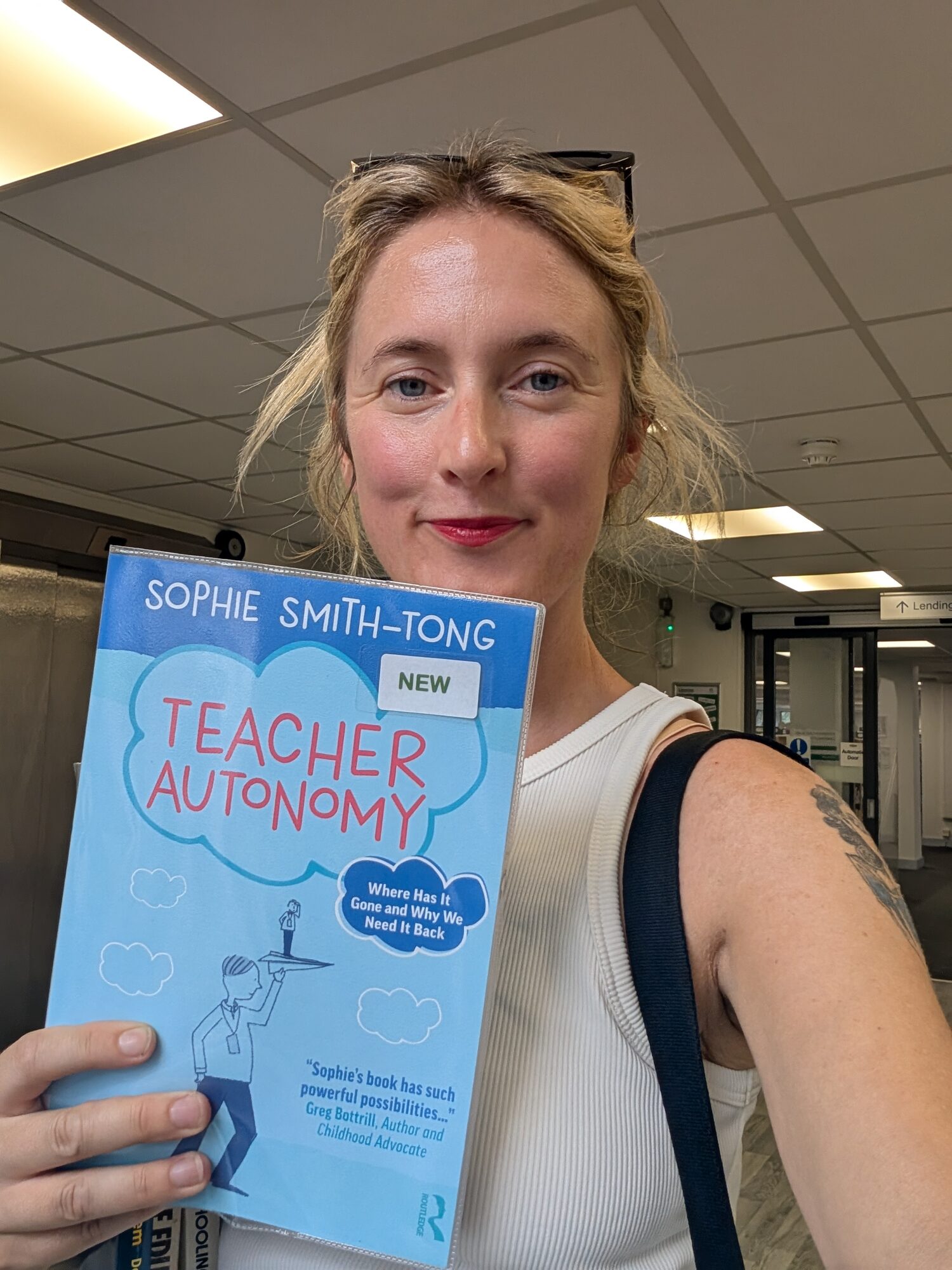
Over the last 5 years I have founded and run a company (Mindfulnessforlearning.com), written a book (TeacherAutonomy.com), been a consultant and taught primary aged children between 4 and 5 days a week. I would often describe education to others as my hobby as well as my job. Their reply would be cautionary, “how are you doing all of this work!?”. My answer would be reassuring “I am not quite sure, but I love it, so it’s fine”. And I wasn’t lying, I did love it. But right now, I don’t. My comfort in admitting that comes from understanding the root cause.
Burnout. It is with this diagnosis that I can be sure that recovery is a possibility; I know there will be a time when I fall in love with education all over again.
Taking space from additional education focus has provided relief, but there are concerns around letting go of a professional standing that has taken years to build, developing and honing my skills and establishing my reputation. Ironically the individual successes that could be the underlying cause of my burnout could be the very achievements I do not want to relinquish. As I loosened the grip of my social media presence I watched as my Amazon book sales plummeted. It felt like my life’s work in education crumbling away.
The negativity surrounding teaching as a career choice, specifically on social media accounts, is hard to ignore. The focus on what’s wrong can pull educators down and put people off becoming a teacher all together. Although I see the benefit of naming and exploring the problem, I like to think that I am also someone who remains hopeful, is solutions led and fundamentally believes that we can and will do better. But when the summer arrived burnout stole my optimism, closely followed by obliterating my motivation. I had suspicions it might be my mind’s way of saying it’s time to rest. I tried to switch off but my body would not stop, I had created a toxic working habit that I found hard to pause. I was on a roundabout and I thought I was having fun, spinning it fast, wanting more, but I had given it so much leverage that when I needed to, I just couldn’t make it stop. As the holidays went on, I began to worsen. The joy I would usually feel for family time and events was not at the level it would usually be - everything felt really hard, even the things I love. And very suddenly I could not talk about education anymore, to anybody. One word answers and a hard cynicism towards the social accounts that still cared and continued to be motivated by it. I was having a reaction that was distasteful and shameful. Who was I? I wanted to close down all of my social media accounts and draw a line under everything that I had created. Become someone new. I recognised immediately that this is where my years of wellbeing and mindfulness expertise would serve a purpose. I am not this person, this is a moment, and it will pass. I must listen and respond with love or this could get worse. I am listening. I am frustrated, but I am listening.
This is burnout. The educator’s reach for cynicism might now be explained.
So if you are an educator who is feeling disconnected and cynical towards those who are motivated or you are an educator who is so passionate about education that you live and breathe it then do take a moment. Tune in. Listen. And respond with compassion. Have compassion for those around you, question your judgments of them and act with care.
I hope this article can be both a helpful warning (burnout doesn’t inform you that it’s coming), and a hope signal (that even when working in the constraints of the education system we can, and must, find time to respond with love).
“Burnout can take time to recover from. It’s important to deal with what is causing it, not just the symptoms.” (NHS)1 So please reach out to someone if you need support. You can find links to organisations that can support you here and on the Mindfulness for Learning website.
Education Support Helpline - 08000 562 561
References
- NHS. Every Mind Matters. Work-related stress: what is burnout?